

Variations
Introduction
English Translation & Overview
-
English Translation: “Masters of the Air” WWII USAAF B-17 Bomber Crew (Captain & Co-Pilot)
-
Faction / Military Branch: United States Army Air Forces (USAAF) – 8th Air Force
-
Historical Era: World War II (European Theater, 1942–1945)
Detailed Character Identification, Description, and Historical Background
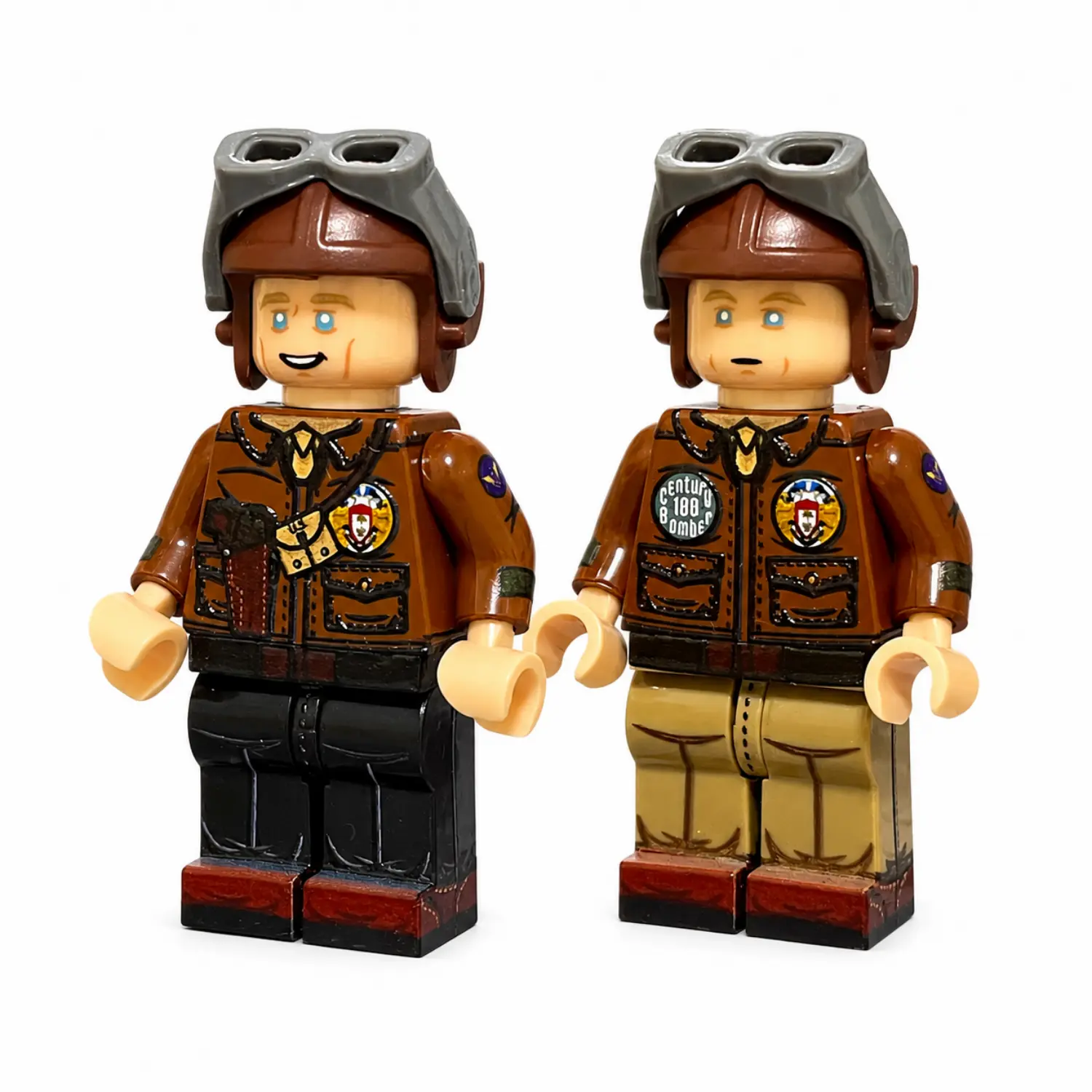
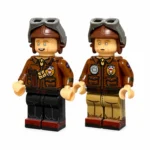
1. The Bomber Captain (Left Figure)
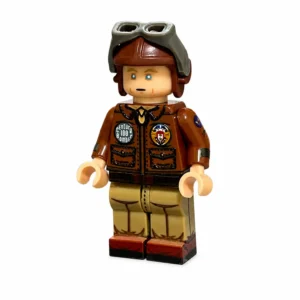
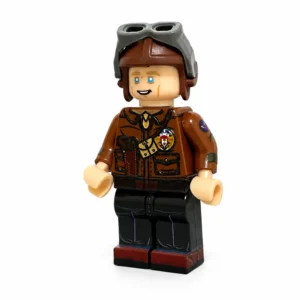
Character Identification This figure represents a World War II USAAF Bomber Captain (Pilot), fully geared up for a high-altitude daylight bombing mission over Nazi-occupied Europe. He is identifiable by his darker officer trousers and the printed tactical shoulder holster worn over his flight jacket.
Detailed Description (Showcasing a rugged, battle-ready aviator, this figure highlights the heavy combat gear carried by pilots who had to be prepared to bail out over enemy territory.)
-
Headgear & Face: The Captain wears a classic brown leather A-11 flying helmet with integrated earcups for radio communication, paired with grey B-8 aviation goggles pushed up on his forehead. His face features bright blue eyes and a confident, reassuring smile.
-
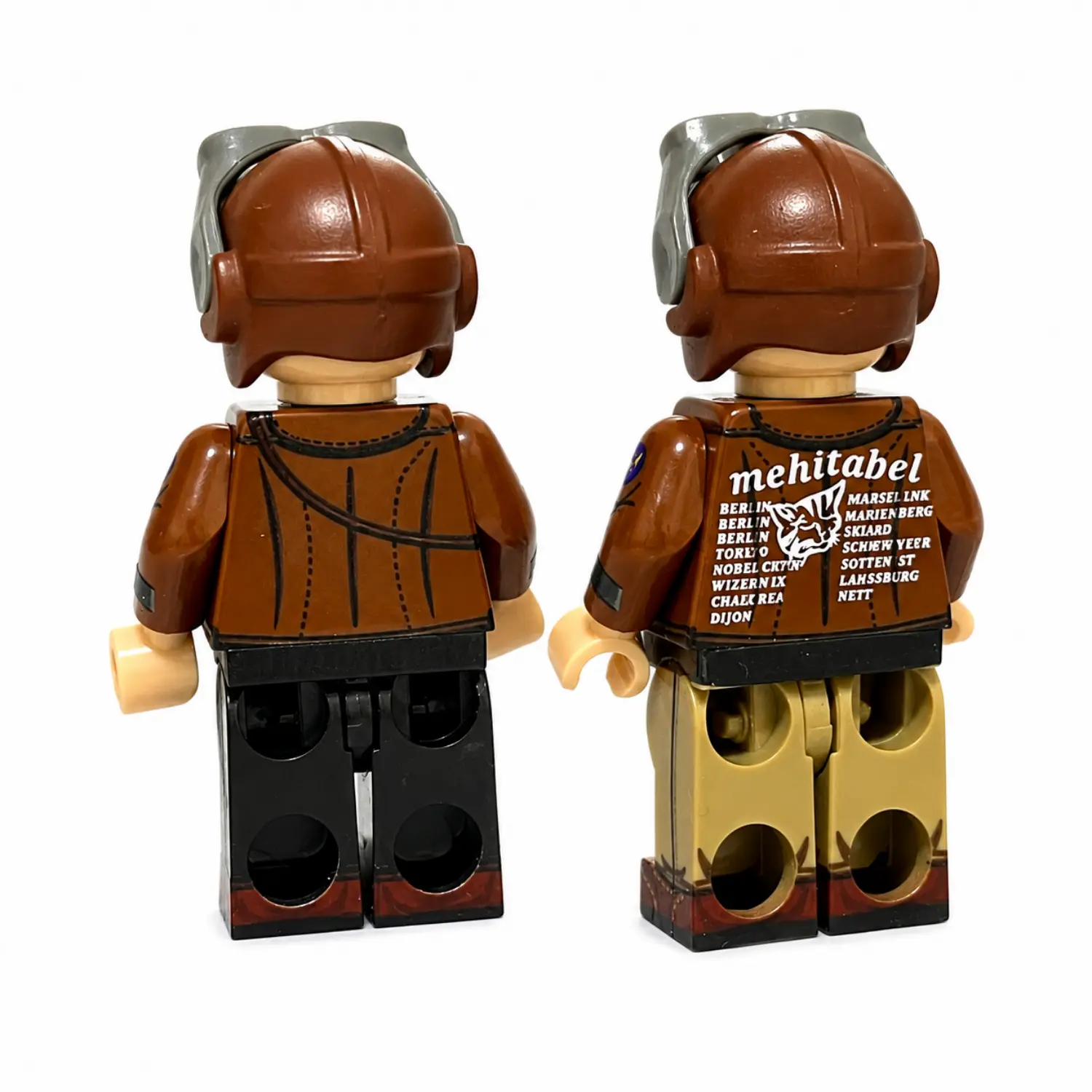
Torso (Front & Back): He is outfitted in the legendary brown leather A-2 flight jacket with a dashing yellow ascot tucked into the collar. The front of his jacket features a highly detailed dark brown leather shoulder holster carrying an M1911 pistol, alongside a small canvas survival pouch. His left chest bears the shield patch of the famed 100th Bombardment Group, and his left shoulder displays the USAAF winged star roundel. The back view reveals the simple, authentic paneled stitching of the A-2 jacket and the continuation of the holster’s leather harness strap.
-
Legs & Footwear: He wears the darker green/drab officer trousers (part of the iconic “pinks and greens” uniform combination) transitioning into laced reddish-brown leather service boots.
2. The Co-Pilot with Custom “Mehitabel” Jacket (Right Figure)
Character Identification This figure portrays the USAAF Co-Pilot, sharing the grueling task of flying the four-engine B-17 Flying Fortress. He is distinguished by his lighter tan trousers, specialized chest patches, and an incredibly detailed piece of custom aviation art painted on the back of his jacket.
Detailed Description (This figure perfectly captures the unique, highly personalized bomber culture of the USAAF, serving as a walking canvas of his combat history.)
-
Headgear & Face: Matching the Captain, he wears the A-11 flying helmet and B-8 goggles. His facial expression, however, is stoic and serious, reflecting the immense psychological toll of the air war.
-
Torso (Front): His A-2 jacket (worn with a yellow ascot) features unique front patches. On his right chest is a circular “CENTURY BOMBER 100” patch, while the left chest features the matching 100th Bomb Group shield.
-
Torso (Back – Custom Art): The defining feature of this figure is the back of his jacket. It is intricately printed with white text reading “mehitabel” alongside a graphic of a fierce cat head. Surrounding the art is a mission tally—a printed list of bombed European targets (including multiple strikes on “BERLIN”, “DIJON”, and “MARIENBERG”).
-
Legs & Footwear: He is dressed in lighter tan/khaki officer’s trousers (affectionately known as “pinks”) paired with standard brown leather service boots.
Historical Background
During World War II, the 8th Air Force launched thousands of heavy bombers from airfields in England to cripple the German war machine. The 100th Bombardment Group (the focus of the series Masters of the Air) earned the grim nickname the “Bloody Hundredth” due to the catastrophic losses they suffered during these unescorted, high-altitude daylight raids.
Because bomber crews faced sub-zero temperatures, deadly flak, and relentless Luftwaffe fighters, survival was never guaranteed. As a result, an intense, personalized subculture developed around their flight gear. The A-2 leather flight jacket became a prized possession. It was a widespread tradition for airmen to have local artists paint their bomber’s “nose art” (such as the cat motif for a plane named Mehitabel) directly onto the backs of their jackets. Furthermore, airmen would paint the names of the cities they bombed as a running tally—a badge of honor proving they had survived the most dangerous skies in the world.
Reviews
There are no reviews yet