

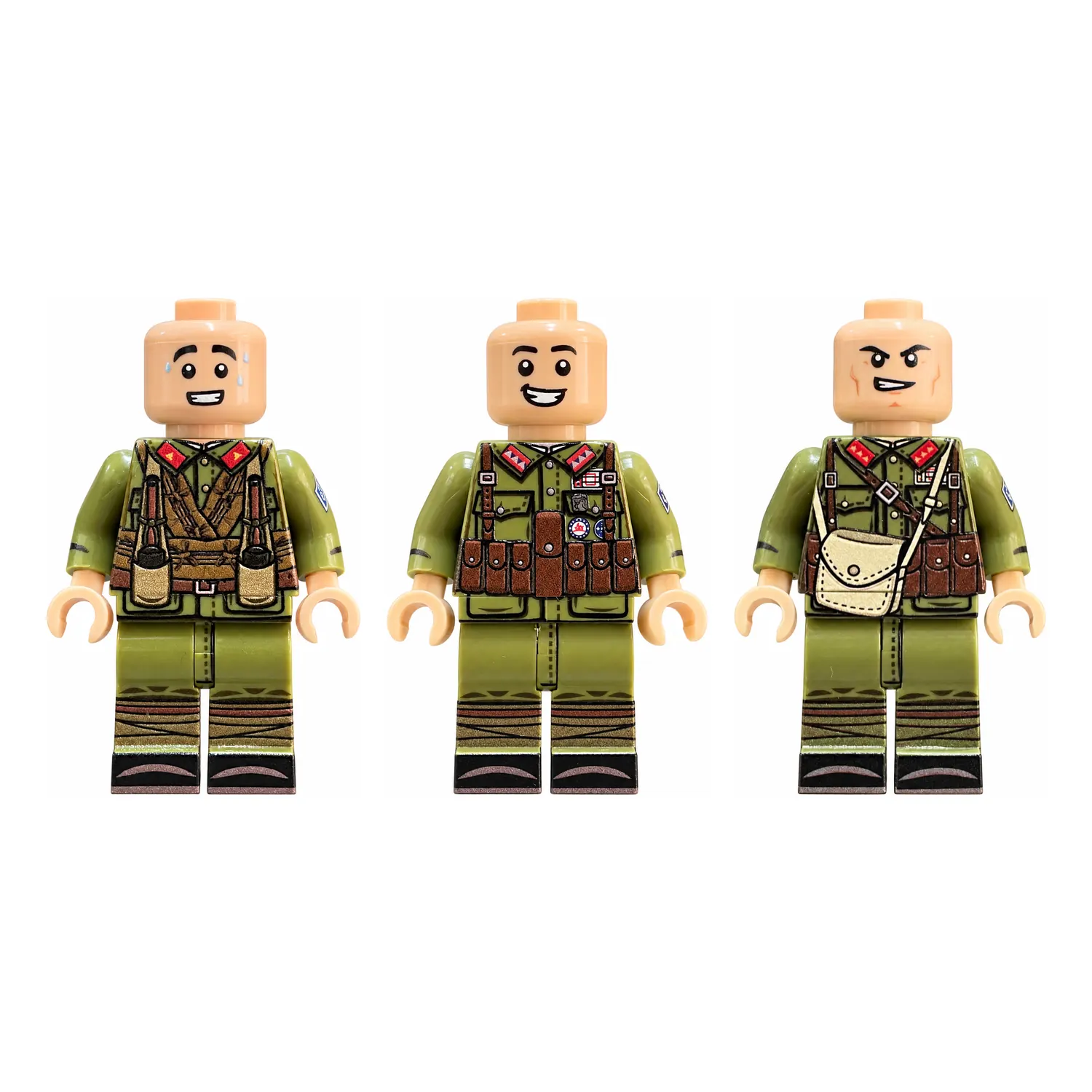
Variations
-
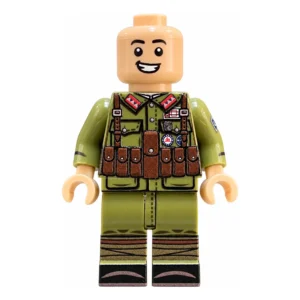
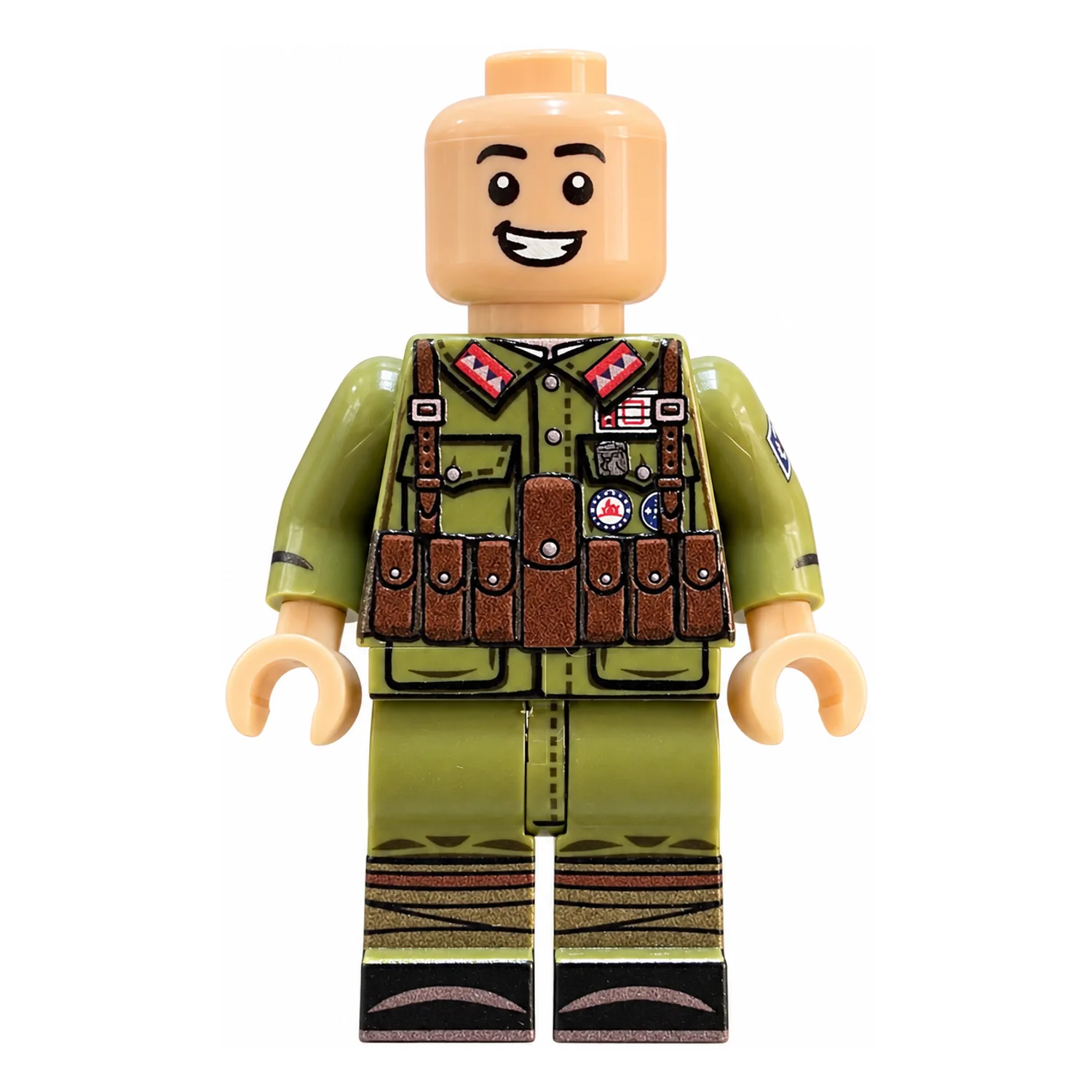
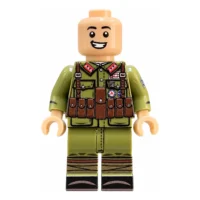
Chinese Nationalist Squad Leader Olive Green Uniform Republican Era – Custom Printed Brick Block Figure
$19.99 -
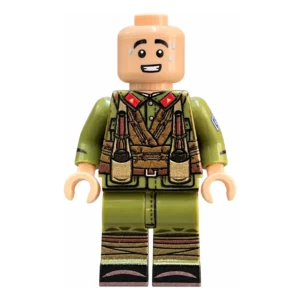
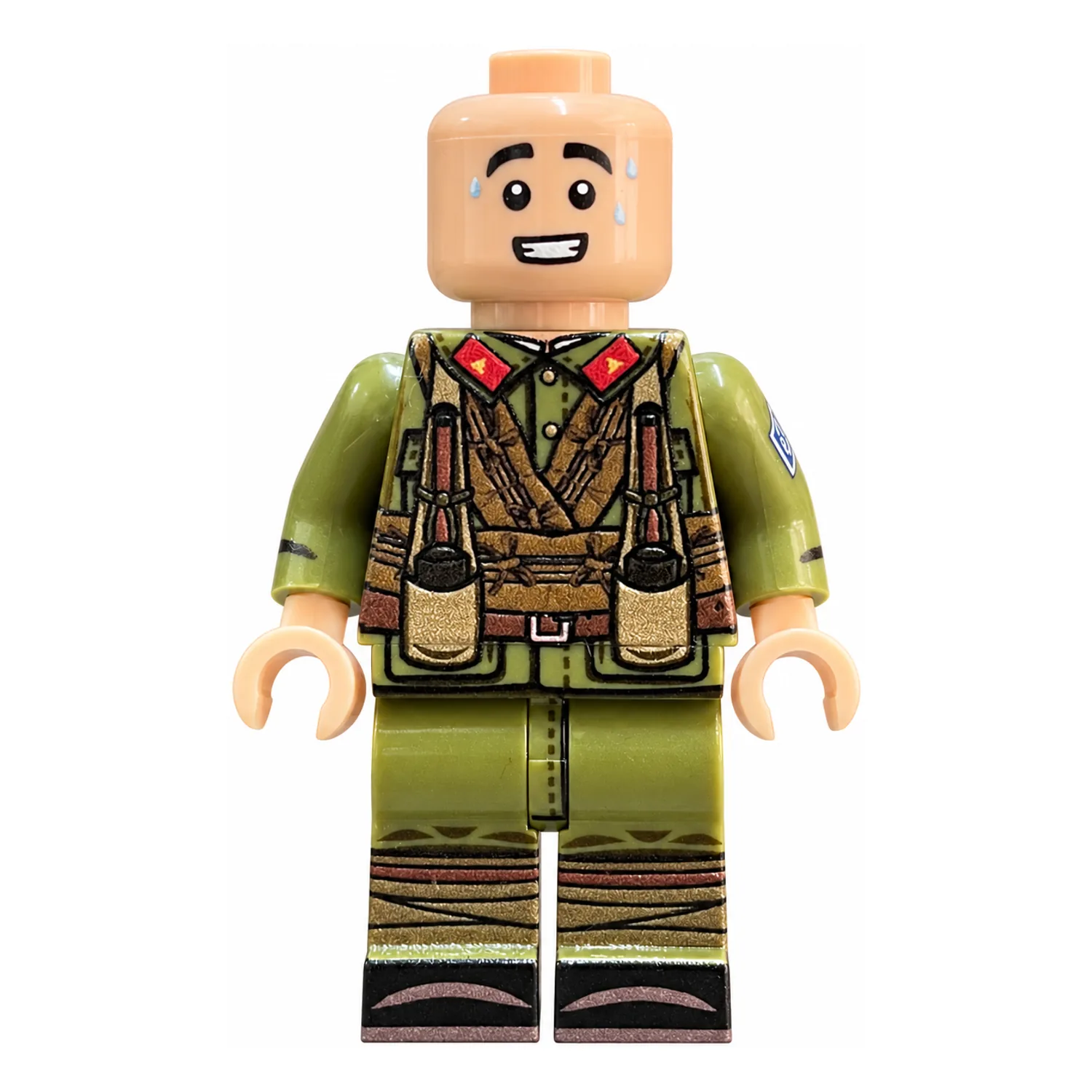
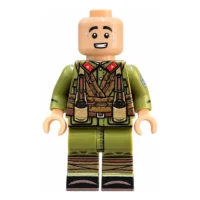
Chinese Nationalist Infantryman Olive Green Uniform Republican Era – Custom Printed Brick Block Figure
$19.99 -
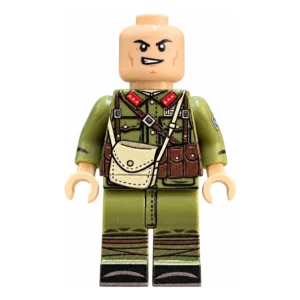
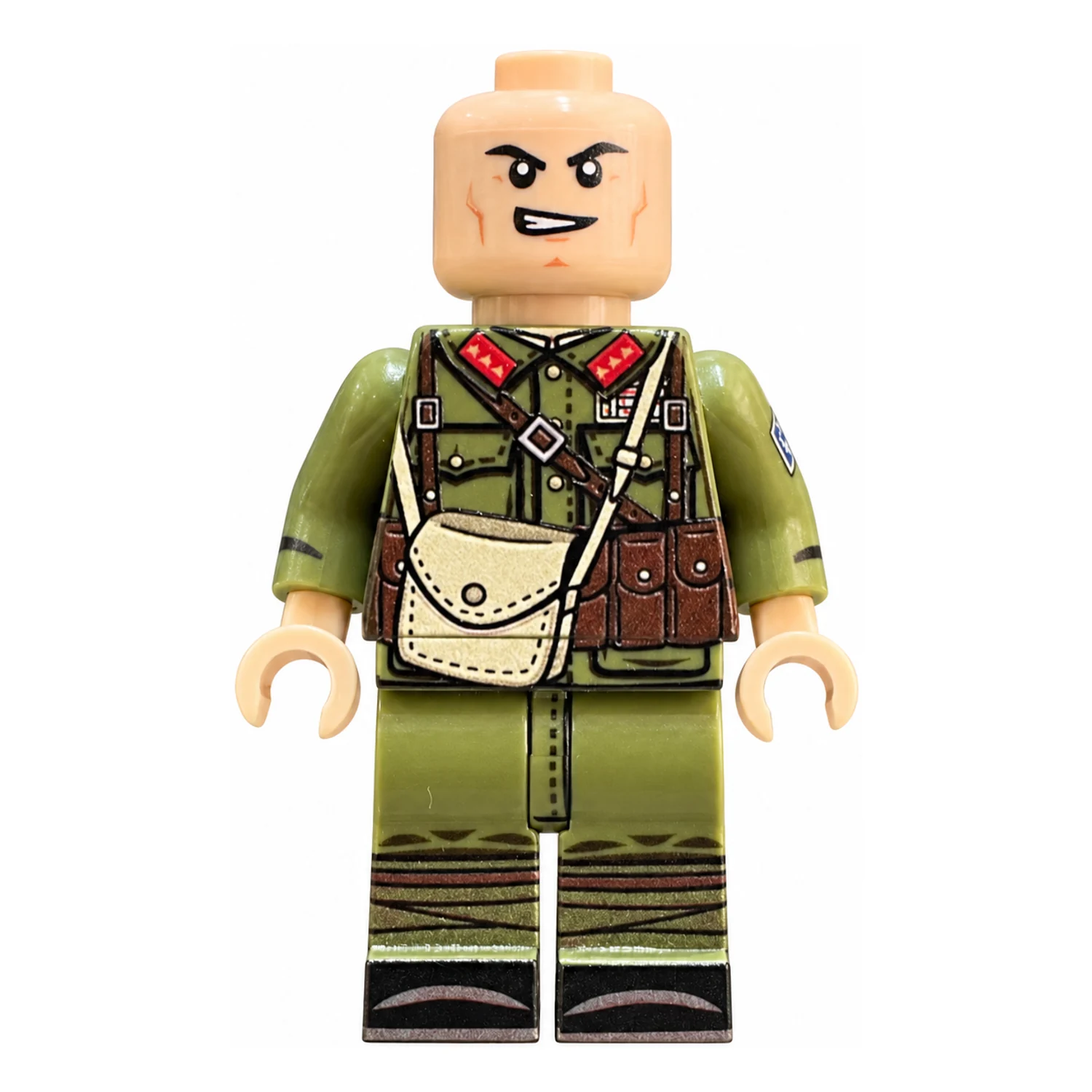
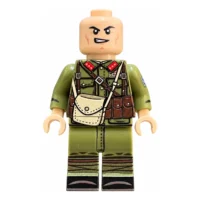
Chinese Nationalist Assault Soldier Olive Green Uniform Republican Era – Custom Printed Brick Block Figure
$19.99
Introduction
English Title & Specific Name
Figure Title: Chinese Nationalist Olive Green Soldiers Collection Republican Era – Custom Printed Brick Block Figure
Historical Era: Republican China; historical context focused on the 1930s–1940s.
Faction / Military Branch: Chinese Nationalist / Republican-era army theme.
Detailed Character Identification, Description, and Historical Background
Character Identification
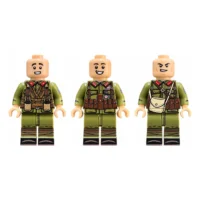
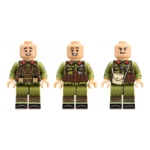
A collection of three distinct Chinese Nationalist soldier interpretations in matching olive green Republican-era uniforms: one infantryman, one squad leader and one assault soldier. Each has its own facial expression and printed equipment arrangement.
Detailed Character Description
The three figures share olive green tunics and trousers, red collar tabs, wrapped lower-leg artwork and black shoe details. Their separate faces and equipment prints distinguish the members while keeping the group visually consistent.
1. Chinese Nationalist Infantryman
Identification: The infantryman is the field-equipped member with a smiling, sweating face.
Visual Description: Layered tan webbing, a central belt and two matching equipment holders dominate the torso print, above olive trousers and wrapped lower legs.
Thematic Context: The webbing-heavy presentation interprets the practical equipment carried by infantry in Republican-era field service, without specifying a unit or weapon model.
2. Chinese Nationalist Squad Leader
Identification: The squad leader is the cheerful member with contrasting collar motifs and multiple small chest details.
Visual Description: Vertical brown shoulder straps meet a closely spaced row of brown pouches, with a larger central pouch. A white-sun motif appears among the circular chest artwork.
Thematic Context: The supplied leadership role gives the collection a small-unit command element; the miniature’s collar symbols do not establish an exact rank.
3. Chinese Nationalist Assault Soldier
Identification: The assault soldier is the determined-looking member with sharply angled eyebrows and fine face lines.
Visual Description: A large tan shoulder-bag print, a pale strap and crossing brown straps contrast with the olive green tunic and adjacent brown pouches.
Thematic Context: The supplied assault role suggests an infantry advance theme within the wider Republican-era setting, with no claim to a named specialist formation.
Historical / Thematic Background
This collection brings together three interpretations of Nationalist soldiers from Republican China: an infantryman, a squad leader and an assault soldier. Their shared setting belongs to the military world that developed after the Nationalist government formed in 1925 and the Northern Expedition began in 1926. The army combined forces of different origins, so standardization and coordination remained significant challenges.
The period’s clothing was more varied than a single uniform color suggests. The Army Uniform Regulations promulgated in January 1936 provided a formal system, while museum collections preserve different tunics, footwear, puttees and identification badges. Matching olive green clothing gives these miniatures a coherent display palette, with red collar tabs and wrapped lower-leg artwork supplying recognizable period cues.
The war with Japan placed Chinese ground forces in many different settings. Shanghai’s fighting began on 13 August 1937, and contemporary photographs preserve Nationalist soldiers beside barricades, dugouts and sandbag defenses. Those records provide context for an infantry display without establishing that these particular miniature designs represent one documented battle or division.
Within the group, each member has a separate visual identity. The infantryman carries layered webbing and equipment-holder artwork; the squad leader has a dense row of brown pouches and circular chest motifs; the assault soldier has a prominent tan bag and diagonal straps. Three different facial expressions strengthen the contrast while keeping the uniform theme consistent. Together they form a compact three-figure historical collection rather than a reconstruction of a verified military squad.
Reviews
There are no reviews yet