

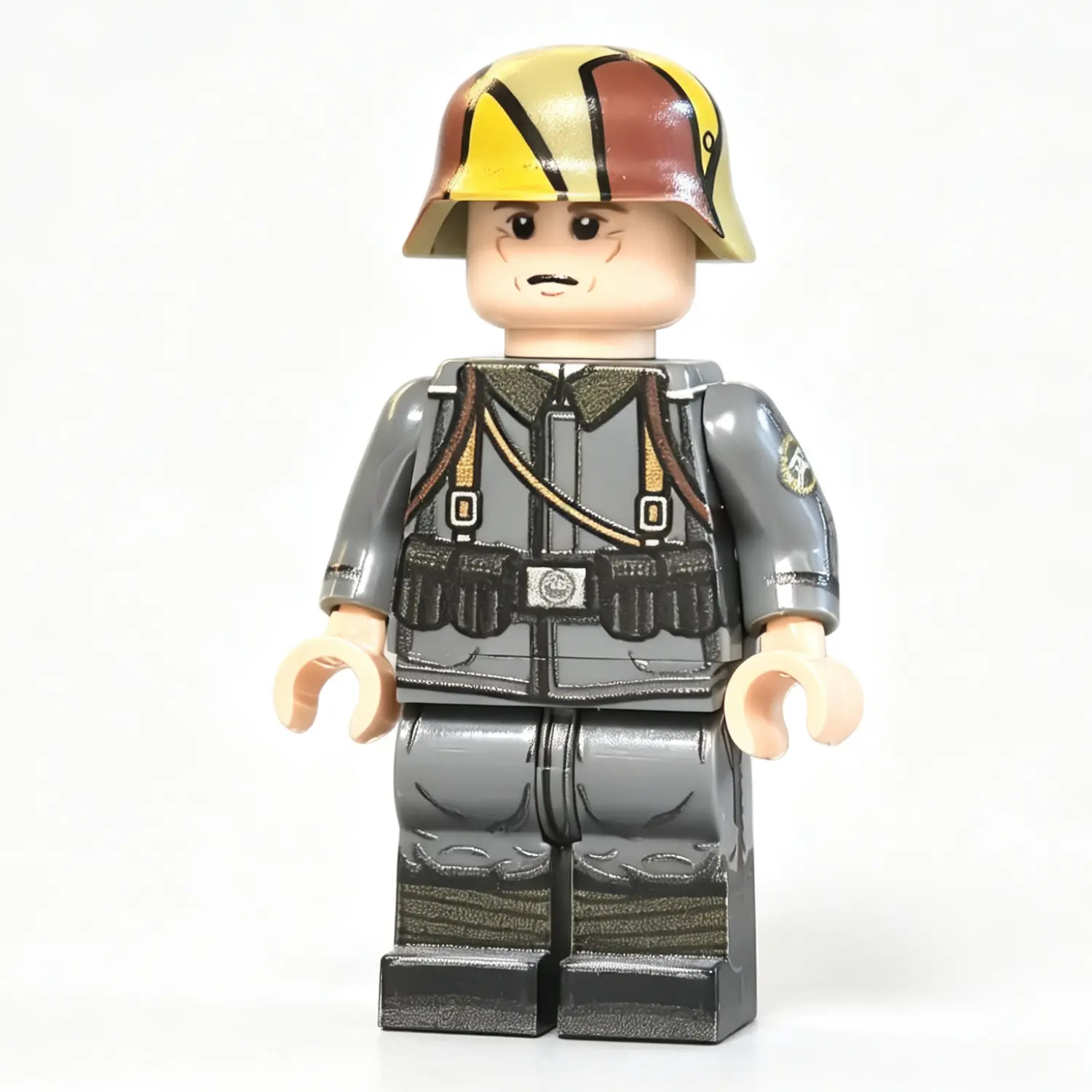
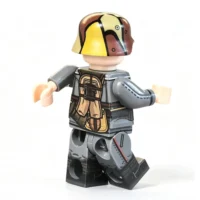
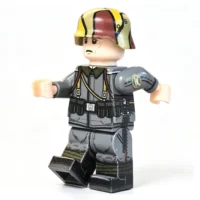
this showcases a single, highly detailed custom building block figure representing a soldier from the First World War.
This character represents a specialized machine gunner or ammunition carrier/guard from the Imperial German Army during the grueling trench warfare of World War I (circa 1917–1918).
Here is the detailed English description, specific character identification, and historical background for this WWI trench soldier.
Character Identification: The Trench Gunner
-
Specific Name: WWI Imperial German Army Machine Gunner / Ammunition Carrier (Maschinengewehr-Kompagnie)
-
Role: A specialized infantryman serving in a Machine Gun Company. In a heavy weapons team, soldiers rotated roles between firing the weapon, guarding the flanks during an assault, and carrying the incredibly heavy drum magazines and water cans required to keep the gun operational.
Detailed Visual Breakdown
-
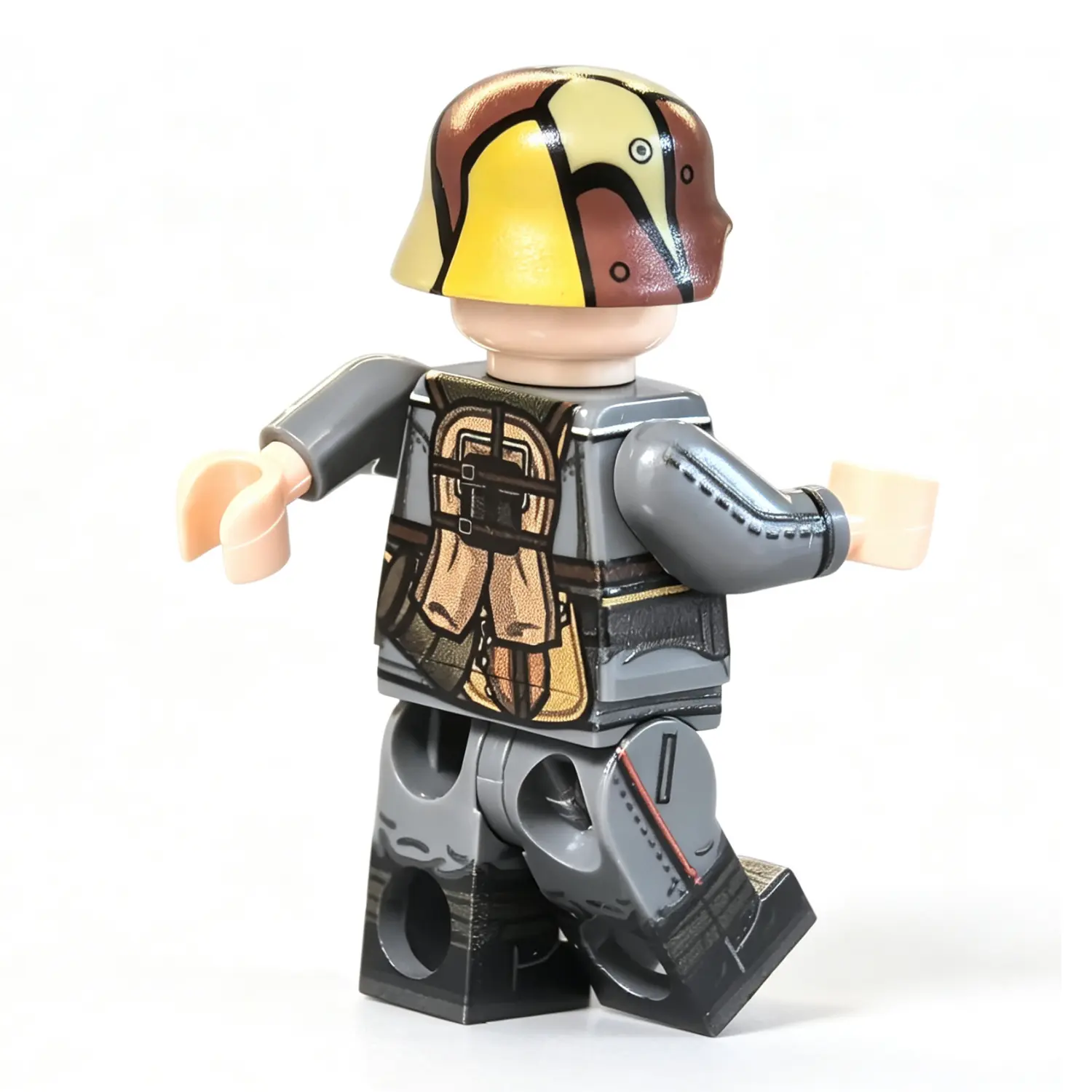
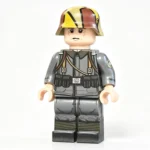
Headgear (The Camouflage Stahlhelm): The figure wears the iconic German steel helmet (Stahlhelm, likely an M1916). Crucially, it features the striking 1918 Buntfarbenanstrich (camouflage pattern)—geometric blocks of ochre yellow, brown, and green separated by thick black lines. The helmet also features the distinct side “lugs” (ventilation horns) which historically doubled as mounting points for extra sniper armor.
-
Facial Features: He has a classic, slightly weary expression with a thin mustache, accurately capturing the gritty, exhausted look of a veteran soldier enduring life in the muddy trenches of the Western Front.
-
Upper Body Uniform (The Feldgrau Blouse):
-
He wears the standard Field Grey (Feldgrau) tunic, typical of the mid-to-late war German infantry.
-
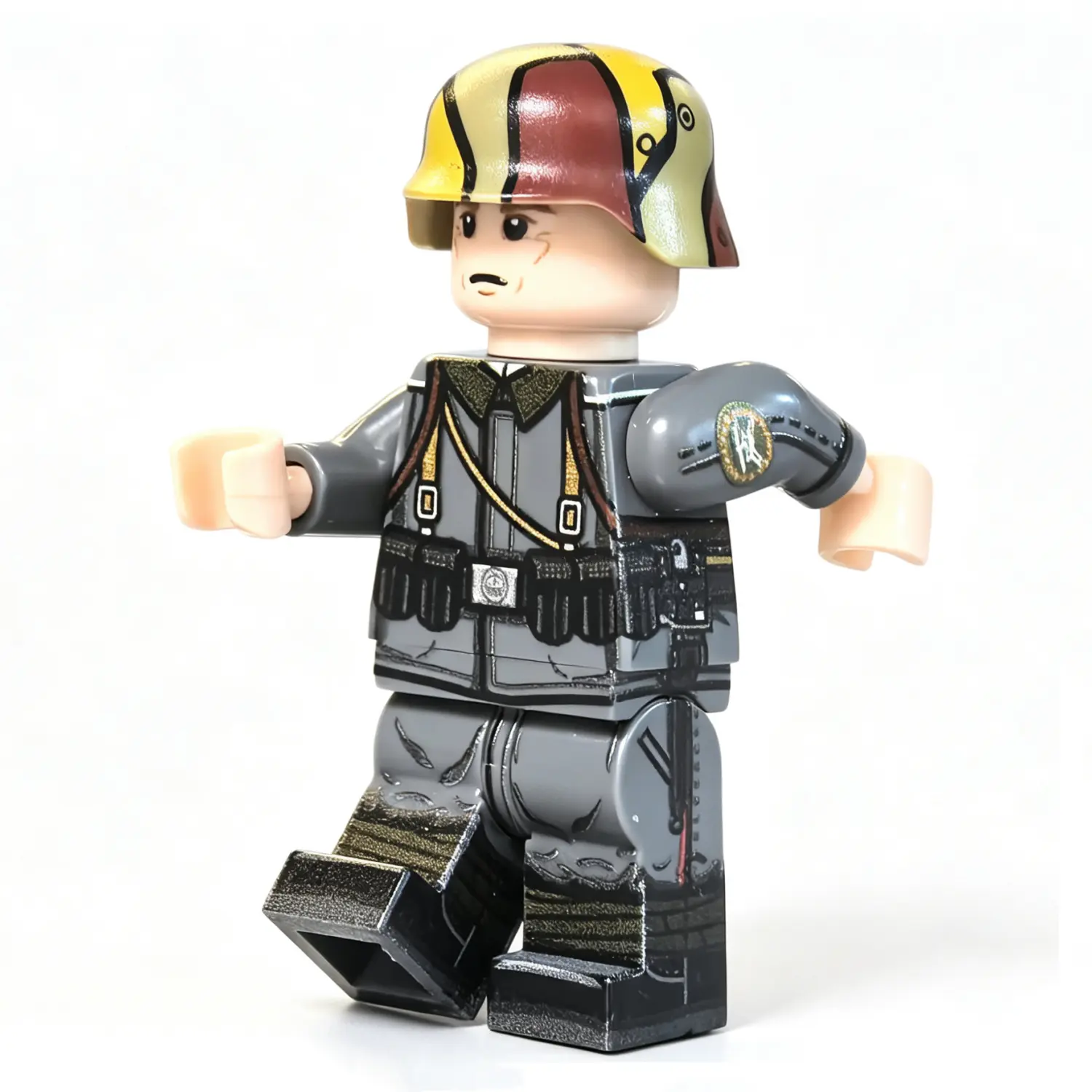
Sleeve Insignia: On his left upper arm, there is a distinct printed oval badge featuring a machine gun motif. This is a Machine Gunner Proficiency Badge, marking him as an elite, specialized soldier rather than standard rifle infantry.
-
Tactical Gear: He wears printed leather Y-straps, a waist belt with the imperial buckle, and standard black leather rifle ammunition pouches on his chest.
-
-
Back Profile (Behind view in detail-10): The rear view reveals a printed canvas assault pack (Tornister) or haversack strapped to his back, complete with leather straps and a rolled shelter-half/blanket, essential for surviving the harsh elements in the trenches.
-
Lower Body:
-
He wears field grey trousers featuring red infantry piping running down the outer seam.
-
His lower legs are wrapped in puttees (cloth leg wraps) tucked into black trench boots, replacing the early-war leather jackboots which were impractical in the deep mud of No Man’s Land.
-
Historical Background: Firepower in the Trenches
This figure perfectly encapsulates the brutal evolution of infantry tactics and equipment during the First World War.
-
The Maschinengewehr-Kompagnie: At the start of WWI, machine guns were heavy, defensive weapons mounted on sleds. As the war stagnated into trench warfare, the German military realized they needed portable firepower to support advancing infantry and Sturmtruppen (Stormtroopers) during trench raids.
-
The MG 08/15: The weapon this figure carries was Germany’s answer to the need for a “light” machine gun. While called “light,” it still weighed nearly 18 kg (40 lbs) with its water jacket filled. Because of its massive weight and high rate of fire, it required a dedicated team: a primary gunner, and several ammunition carriers/guards to haul the heavy drum magazines and protect the gunner from enemy raiders.
-
The Buntfarbenanstrich Camouflage: In July 1918, General Erich Ludendorff officially ordered that steel helmets be painted in camouflage patterns to help hide soldiers in the shattered, cratered landscape of the Western Front. The geometric patterns seen on this figure’s helmet were explicitly designed to break up the human silhouette against the mud and splintered wood of the trenches.
Reviews
There are no reviews yet