

Character Identification
-
Original Designation: WWI German Support Trooper
-
English Name: WWI Imperial German Trench Sentry / Support Infantryman
-
Specific Identity: A frontline soldier of the Deutsches Heer (Imperial German Army) during the grueling mid-to-late years of World War I, heavily equipped with marching gear and specialized frontal head armor designed for static trench defense and support roles.
Detailed Character Description
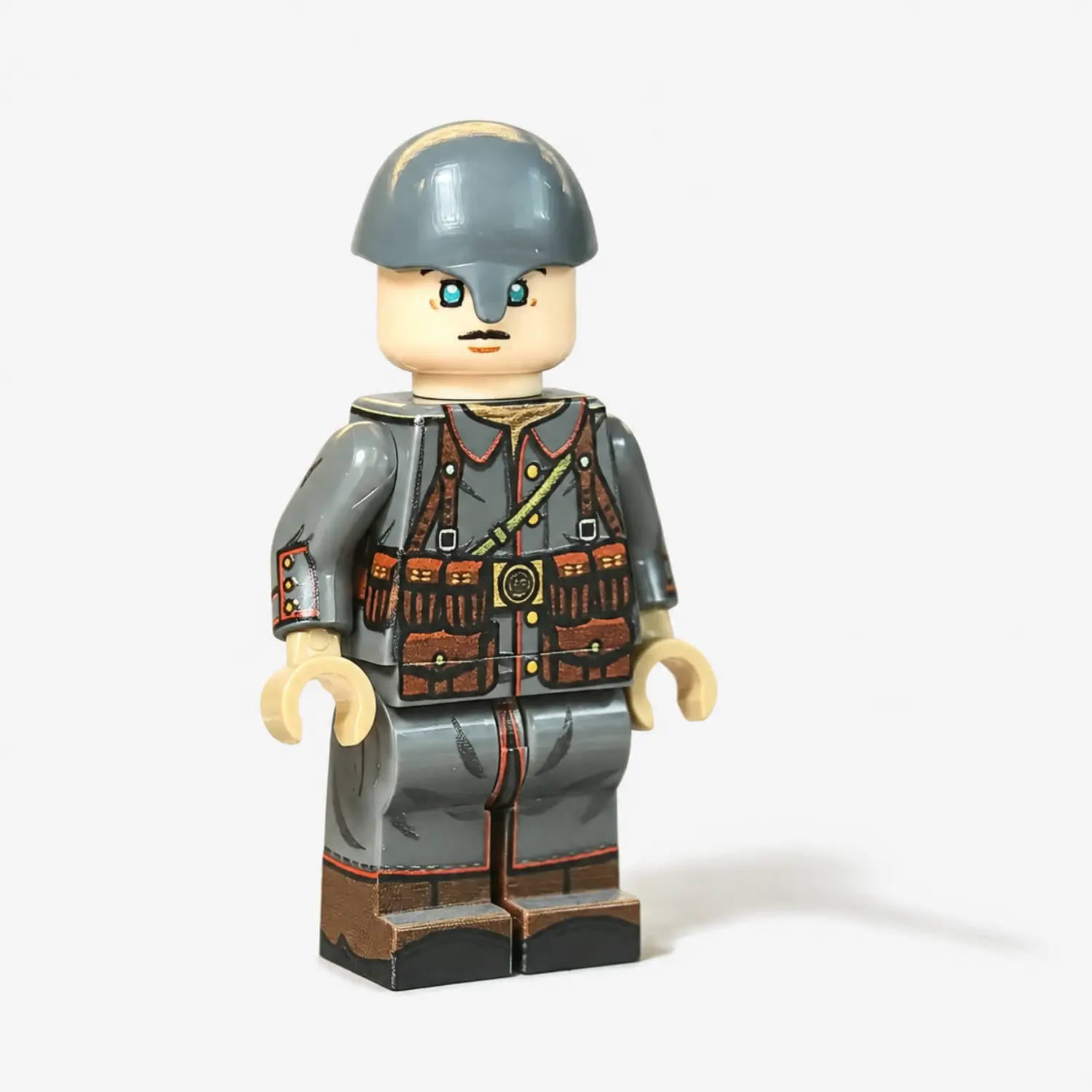
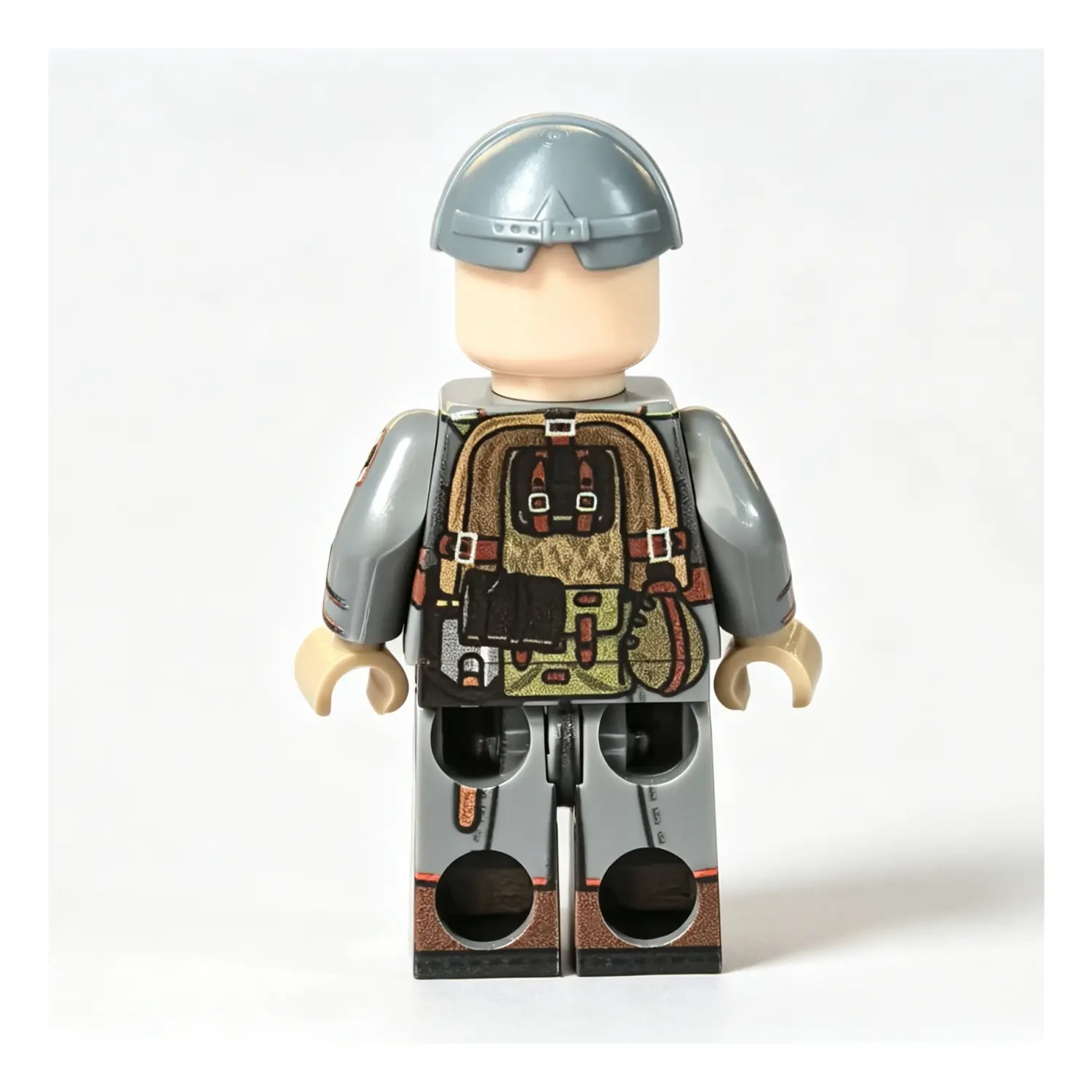
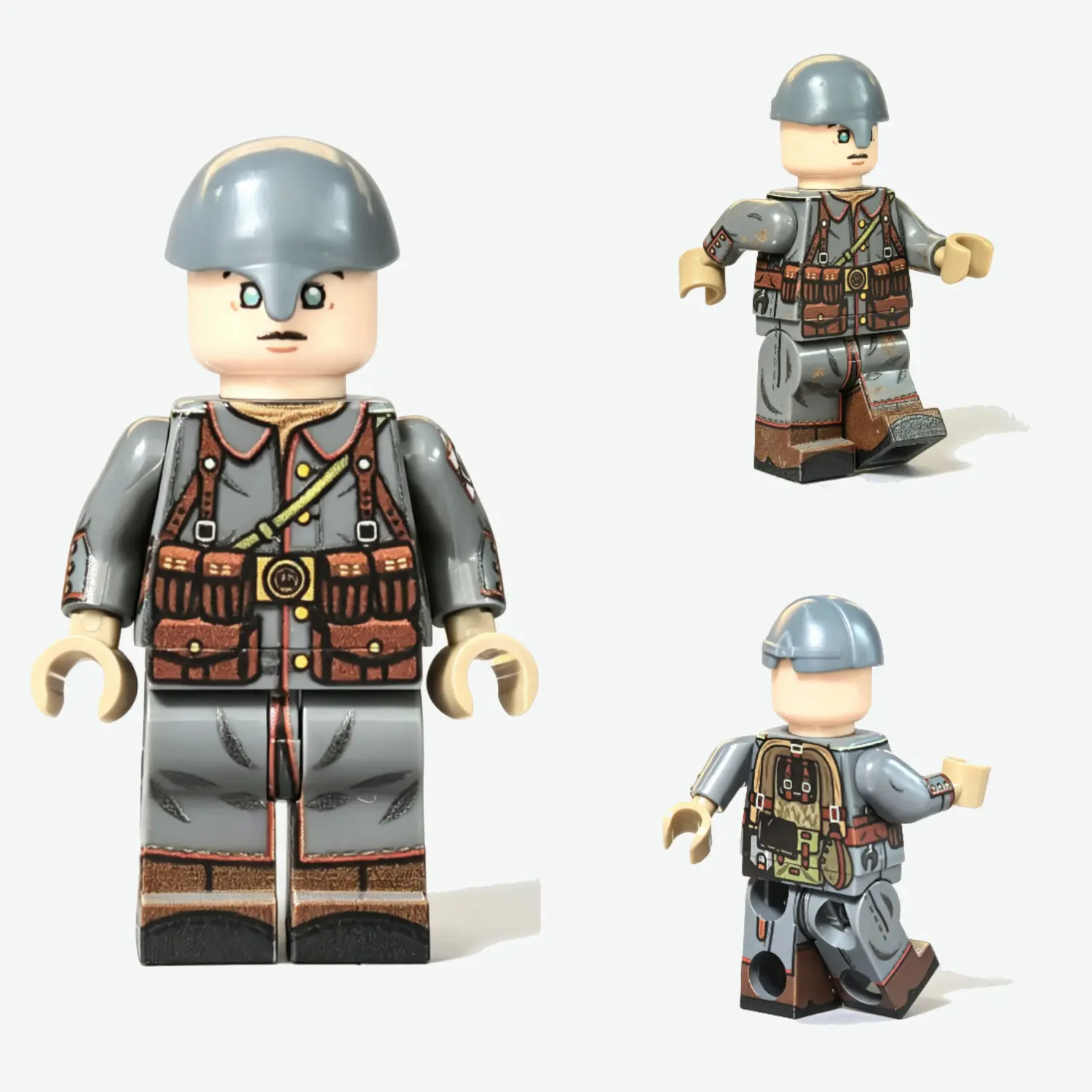
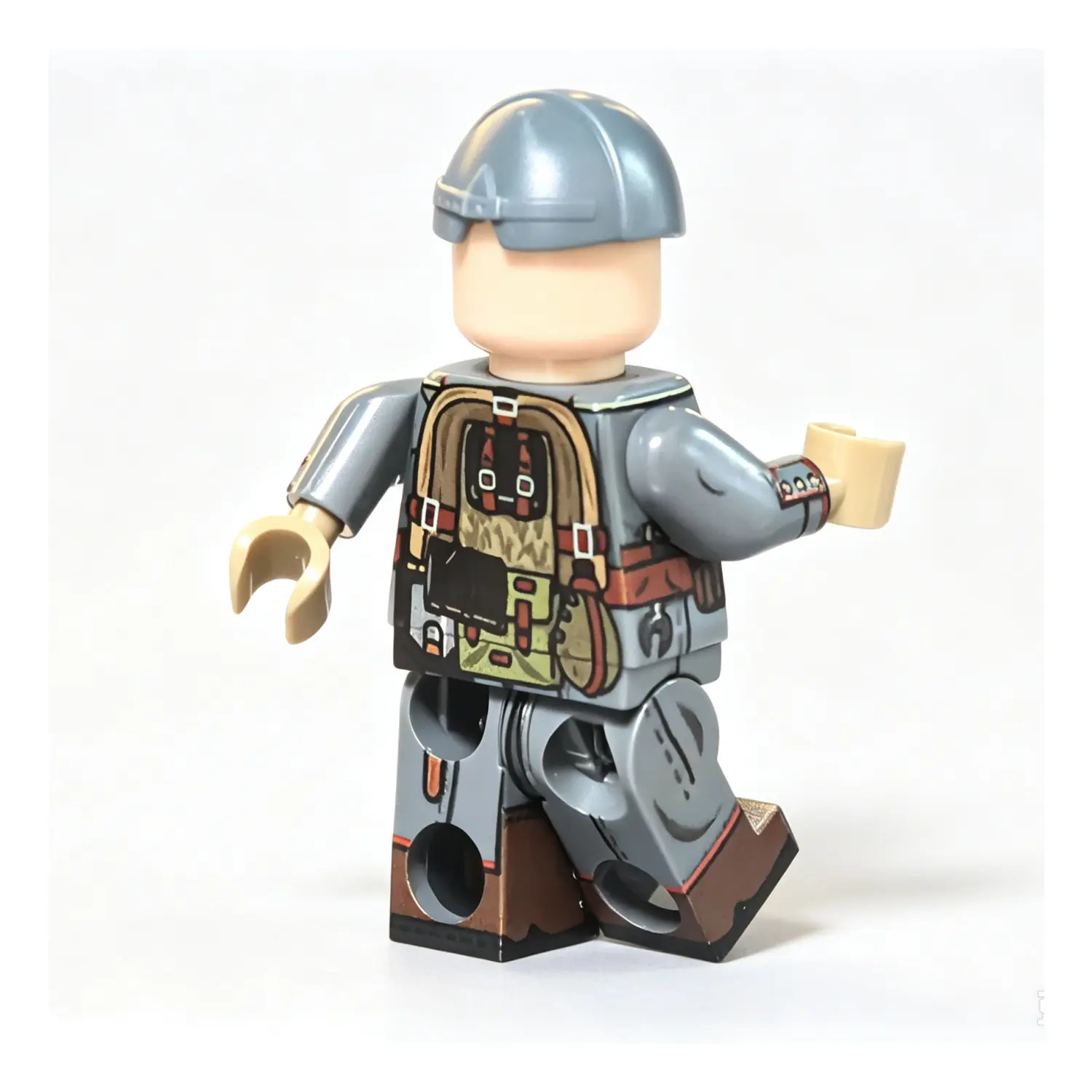
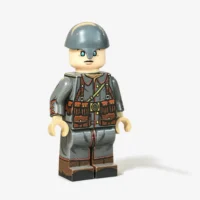
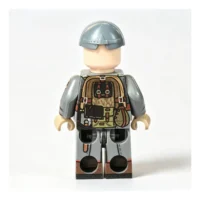
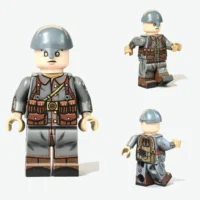
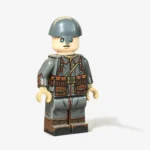
This figure features exceptional 360-degree custom printing and custom-molded elements designed to capture the heavy burden of a fully equipped World War I German soldier.
-
Headgear & Face: The standout feature of this figure is its custom-molded field-grey Stahlhelm (steel helmet). Unlike a standard helmet, this piece features a heavy, elongated front shield that drops down over the soldier’s nose. This specifically represents the Stirnpanzer (brow armor plate), a heavy steel add-on used to reinforce helmets against sniper fire and shrapnel. Beneath the helmet, the figure bears a stern expression complete with a period-accurate small mustache.
-
Front Torso & Webbing: The figure wears the iconic Feldgrau (field grey) tunic, detailed with distinct red piping along the collar and cuffs, denoting traditional German infantry trim. Over the uniform, the soldier wears a complex printed leather harness consisting of brown Y-straps and a waist belt. Attached to the belt are standard triple-pouch ammunition rigs for the Mauser Gewehr 98 rifle. A diagonal green canvas strap crosses the chest, used to support his heavy marching gear. The belt buckle features a detailed print of the standard Prussian issue buckle.
-
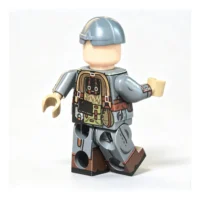
Back Torso & Marching Pack: The back of the figure (visible in the rear-angle images) showcases an incredibly detailed print of the M1895 Tornister (marching backpack). The print accurately simulates the cowhide fur flap that was traditionally used to waterproof the pack. Strapped meticulously to the outside of the backpack is a rolled-up grey Zeltbahn (shelter half/blanket), a black painted metal mess tin (Kochgeschirr), and a canvas-covered water canteen (Feldflasche) hanging near the waist.
-
Legs & Footwear: The field-grey trousers continue the red piping (Biese) down the outer seams. The legs feature wrap-around printing that transitions into standard-issue brown leather marching boots (often referred to as Knobelbecher). The boots and lower trousers are highly distressed with printed mud splatters and dirt stains, firmly grounding the figure in the muddy, desolate environment of the Western Front.
Historical Background
-
The Stahlhelm and Stirnpanzer: Introduced in 1916 to replace the obsolete leather Pickelhaube, the M16 Stahlhelm drastically reduced head wounds from artillery shrapnel. For support troops, machine gunners, and sentries who had to peek over trench parapets, the German army issued the Stirnpanzer—a heavy, 5mm thick steel brow plate that hooked onto the helmet’s ventilation lugs. While it could stop a direct rifle bullet, it was incredibly heavy and uncomfortable, meaning it was rarely worn by assault troops on the move.
-
The Feldgrau Uniform: Field grey became the official color of the German army to provide better camouflage in modern warfare. The distinctive red piping on the trousers and tunic was a holdover from 19th-century military fashion, retained for unit identification and tradition.
-
The Tornister Backpack: The German infantryman carried his life on his back. The Tornister was a rigid backpack with a wooden frame, famously covered in calfskin or cowhide with the fur left on to repel rain and mud. A fully loaded support trooper carried extra ammunition, rations, a shelter half, and entrenching tools, making the gear incredibly heavy during long marches to the front lines.
Reviews
There are no reviews yet