

Variations
Introduction
English Translation & Overview
-
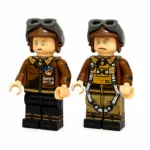
English Translation / Figure Title: “Masters of the Air” WWII USAAF 100th Bomb Group Crew (Captain & Pilot)
-
Faction / Military Branch: United States Army Air Forces (USAAF) – 8th Air Force
-
Historical Era: World War II (European Theater, 1942–1945)
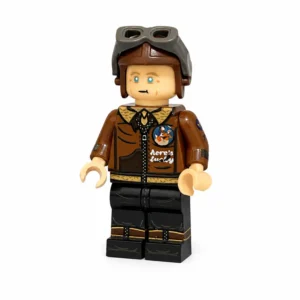
1. The Bomber Captain (“Here’s Lucky” Custom Jacket)
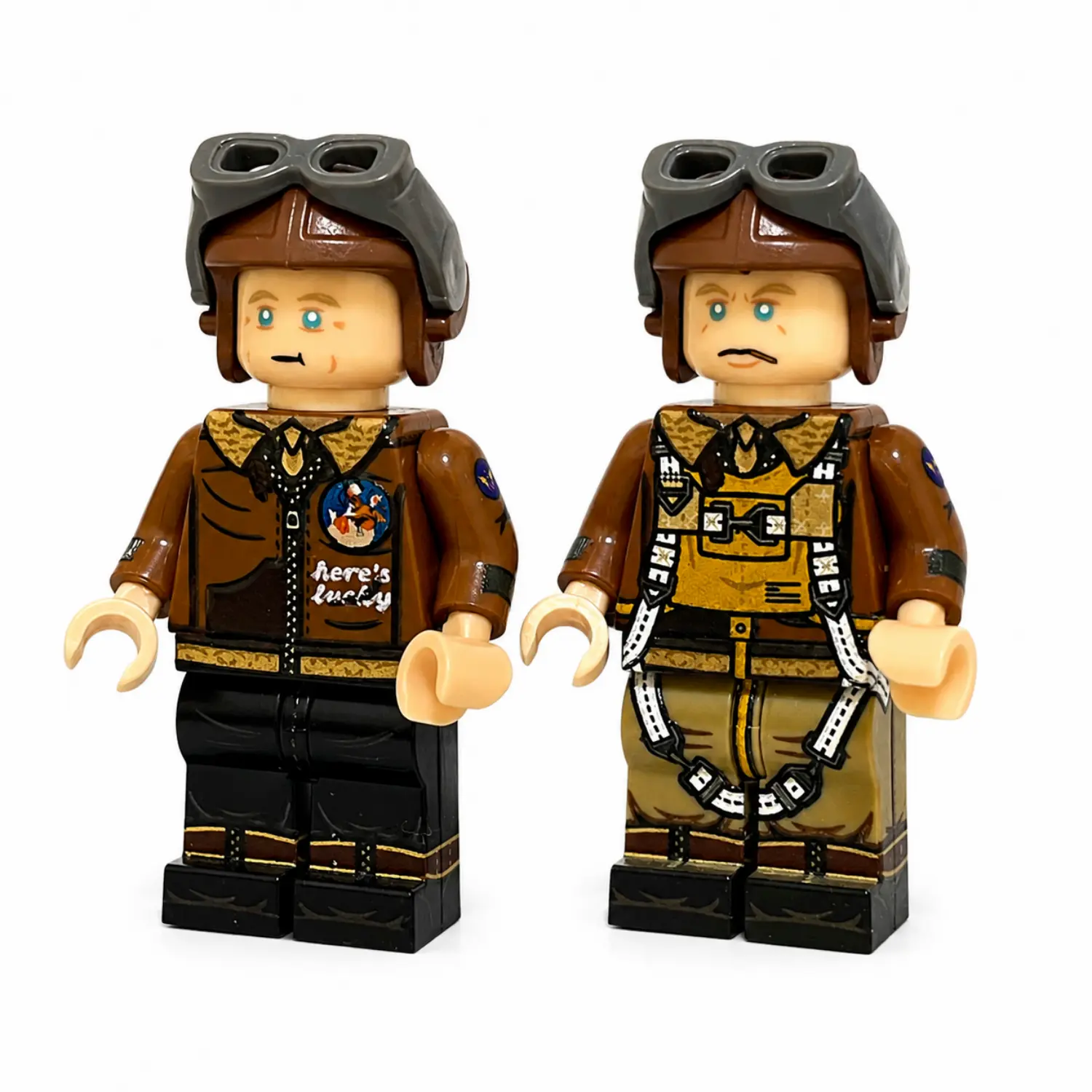
Character Identification, Detailed Description, and Historical Background This figure portrays a highly decorated World War II USAAF B-17 Bomber Captain, outfitted in heavy winter flight gear and showcasing an incredibly detailed, personalized bomber jacket that serves as a canvas of his combat history.
-
Detailed Description:
-
Headgear: He wears the standard brown leather A-11 flying helmet with molded radio earcups, topped with grey B-8 aviation goggles pushed up on his forehead.
-
Torso (Front): He is dressed in a thick, shearling-lined B-3 Sheepskin Bomber Jacket. The front is adorned with custom printed art: a circular squadron mascot patch on the left chest, with the hand-painted script “Here’s Lucky” below it.
-
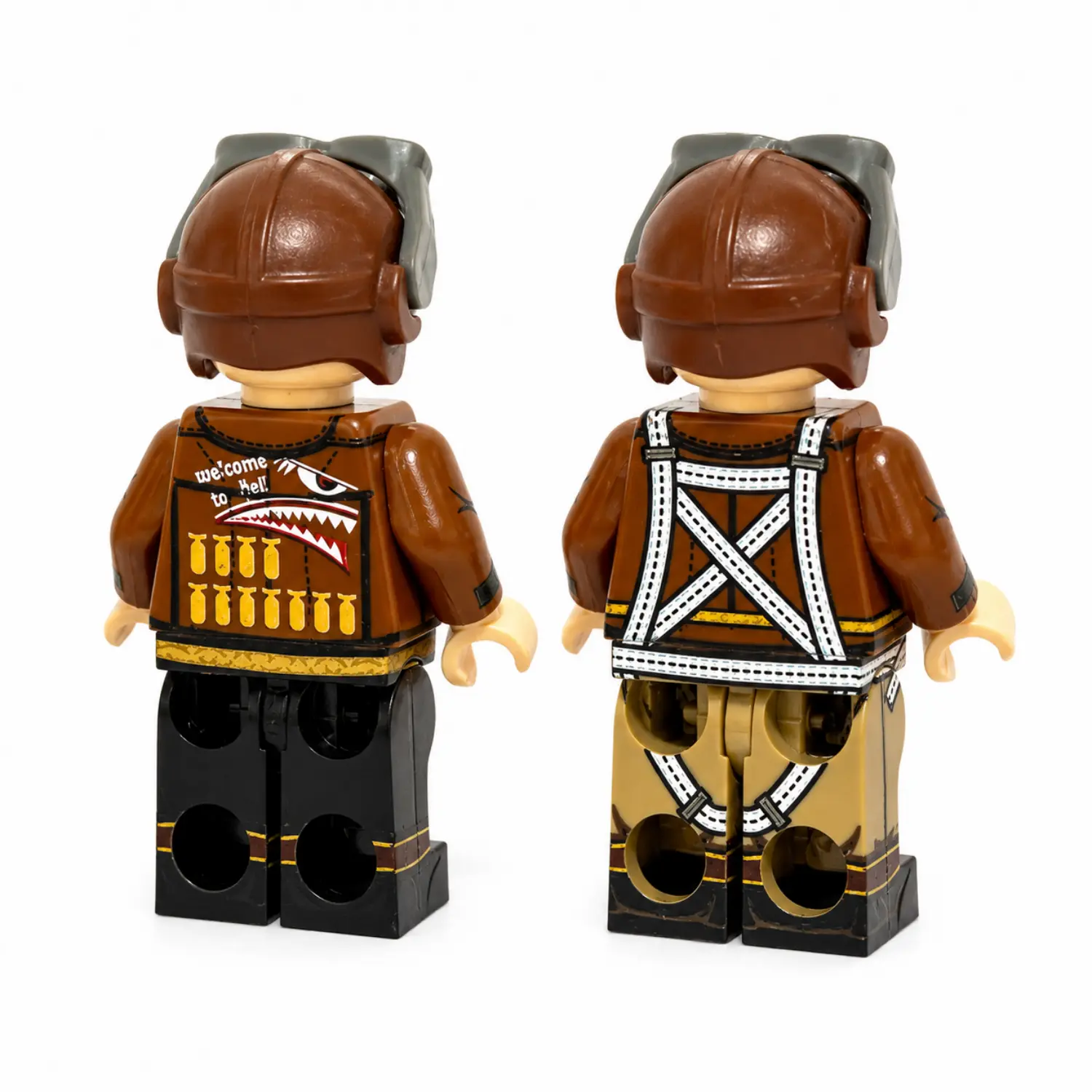
Torso (Back): The rear of the jacket is a masterpiece of custom aviation art. It features the aggressive, taunting text “welcome to hell!” alongside a fierce shark mouth graphic. Below this, an impressive mission tally of yellow bombs is printed in two rows, representing the numerous combat sorties he has survived.
-
Legs: His lower half features dark, heavy A-3 sheepskin flight trousers, designed with printed brown leather adjustment straps at the calves to lock in body heat.
-
-
Historical Background: During the brutal daylight bombing campaigns of the 8th Air Force over Nazi-occupied Europe, bomber crews faced staggering casualty rates—especially the famed 100th Bomb Group (“The Bloody Hundredth”). Flying at 25,000 feet in unpressurized cabins meant facing temperatures of -50°F (-45°C), making the heavy B-3 and A-3 shearling gear essential for survival against frostbite. Painting nose art and mission tallies onto leather flight jackets was a widespread tradition that boosted morale; each yellow bomb painted on his back represented a deadly trip into enemy flak and Luftwaffe fighters that he lived to tell about.
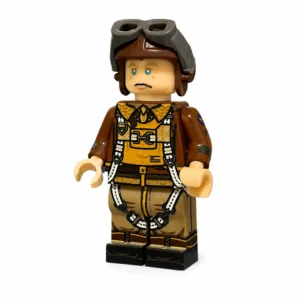
2. The Geared-Up Pilot (Mae West & Parachute Harness)
Character Identification, Detailed Description, and Historical Background This figure represents a USAAF Bomber Pilot fully geared up for a combat mission, heavily burdened with the vital survival equipment required to ditch in the ocean or bail out of a burning aircraft.
-
Detailed Description:
-
Headgear: Matching his captain, he wears the A-11 flying helmet and B-8 goggles, featuring a stern, focused facial expression.
-
Torso (Survival Gear): Worn over his heavy B-3 jacket is a bright yellow B-4 pneumatic life vest, universally known as the “Mae West”. Crisscrossing over the vest is a highly detailed white webbed parachute harness. The back view (
ChatGPT Image Sep 2, 2026, 03_40_51 AM.webp) brilliantly shows how this heavy canvas harness crosses into an ‘X’ over his shoulders and back to secure the wearer. -
Legs: The white straps of the parachute harness continue down onto his khaki flight trousers, forming the essential leg loops needed to absorb the intense shock of a parachute deployment. The trousers end in standard dark flying boots.
-
-
Historical Background: Survival equipment was paramount for crews of the 8th Air Force. The “Mae West” life preserver was a mandatory piece of gear, as heavily damaged B-17s frequently had to “ditch” into the freezing, turbulent waters of the English Channel or the North Sea on their way back to England. Furthermore, bomber crews were trained to wear their bulky parachute harnesses continuously during the entire 8-to-10 hour flight. If their plane was fatally crippled by flak or fighters, they only had seconds to snap their chest-mounted parachute packs onto this harness and bail out into the freezing sky.
Reviews
There are no reviews yet