
-
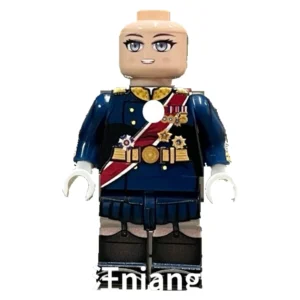
Wangniang Ceremonial Uniform 20th Century Inspired – Custom Printed Brick Block Figure
$19.99 -
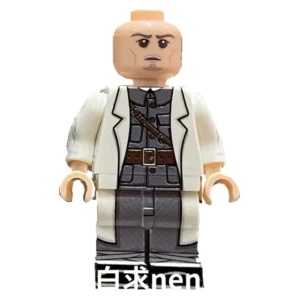
Norman Bethune Medical Coat Second Sino-Japanese War – Custom Printed Brick Block Figure
$19.99 -

Naval Officer Ceremonial Dress 20th Century – Custom Printed Brick Block Figure
$19.99 -
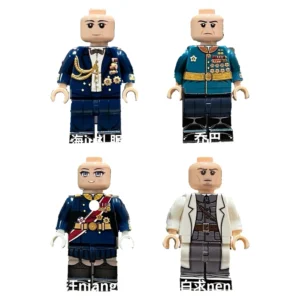
Historical Personalities and Ceremonial Figures 20th Century Collection – Custom Printed Brick Block Figure
$77.99
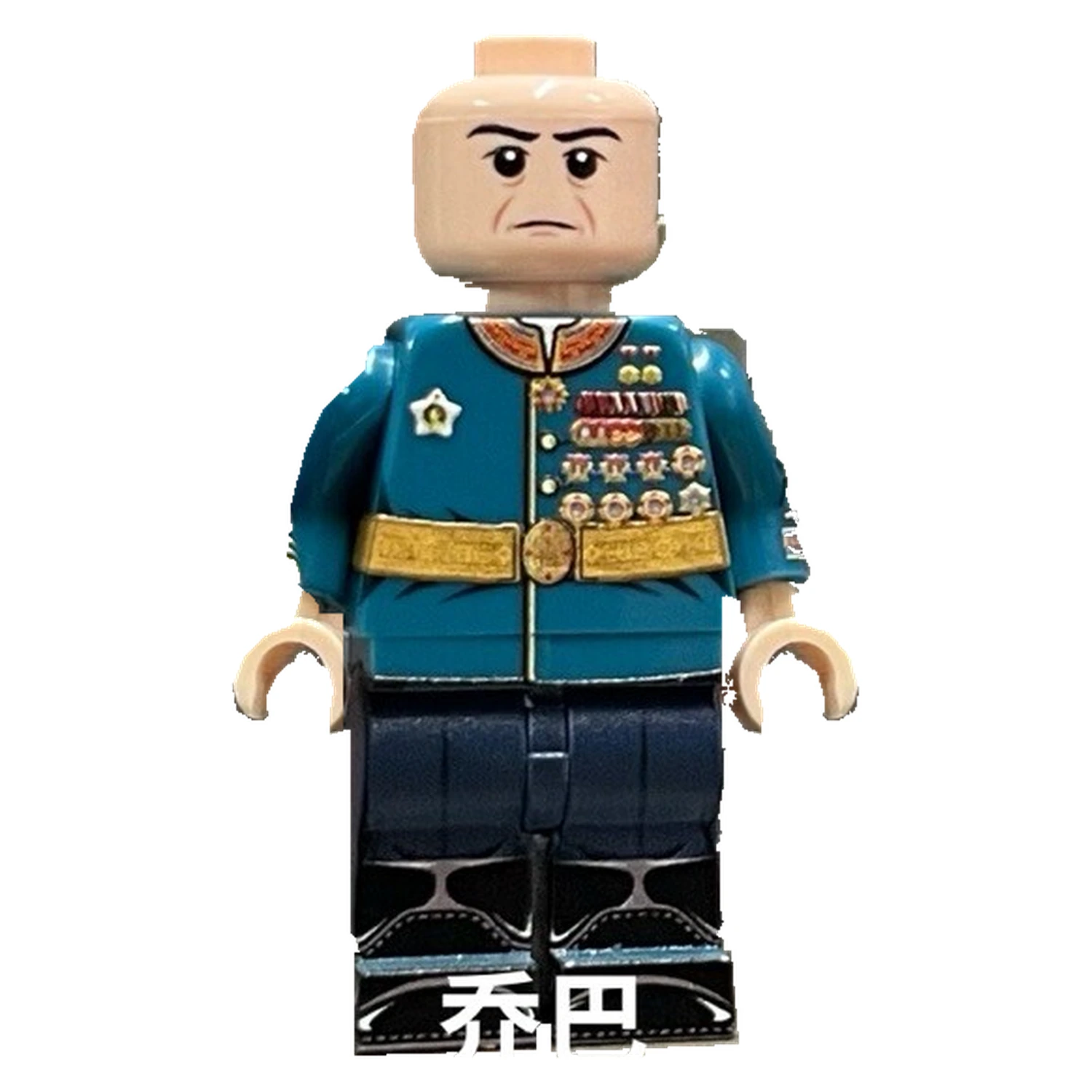
Khorloogiin Choibalsan Mongolian Marshal 20th Century – Custom Printed Brick Block Figure
$19.99
Exclusive Custom Design: Independently designed with original artwork.
Premium Printing: High-quality custom print details crafted by our studio.
Universal Compatibility: Fully compatible with current standard building blocks.
Reasons to Buy
- Quality Checked by Gilbert
- Reviewed by Sophisticated Friends
- 24/7 Email Support
- Secure Global Shipping
- Money Back Guarantee
| Age | Adult (18+ years old), Kids (5-18 years old) |
|---|---|
| Condition | new |
| Gender | Female, Male, unisex |
| Material | Plastic |
| Pattern | Military |
| Product Category | Brick Block Figures |
Add a review
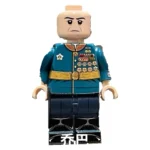 Khorloogiin Choibalsan Mongolian Marshal 20th Century – Custom Printed Brick Block Figure
* Answer is required
Your review
* Review is required
Name
* Name is required
Email
* Email is required
Add photos or video to your review
* Please confirm that you are not a robot
Q & A
Ask a question
Khorloogiin Choibalsan Mongolian Marshal 20th Century – Custom Printed Brick Block Figure
Your question
* Question is required
Name
* Name is required
Email
* Email is required
This site is protected by reCAPTCHA and the Google Privacy Policy and Terms of Service apply.
There are no questions yet
Reviews
There are no reviews yet